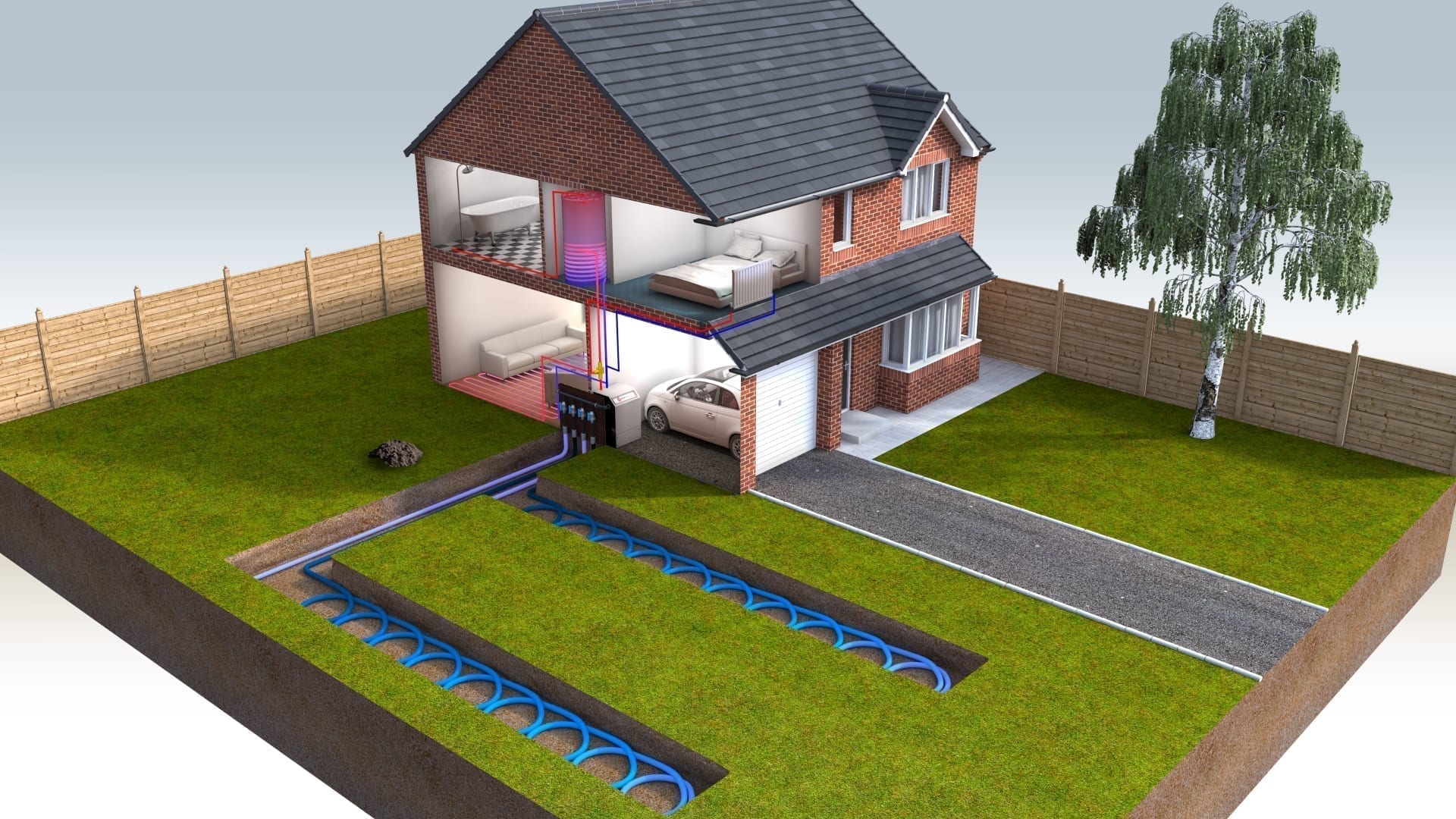
While geothermal heat pumps have higher upfront costs than traditional HVAC systems, their long-term ultrageothermal.com savings and efficiency can make them a sound investment.
The average cost to install a geothermal system ranges from $4,278 to $26,000*, depending on factors such as home size, loop configuration, and local installation costs. This is higher than the cost of conventional HVAC systems, but there are also long-term savings, incentives, and rebates to consider.
Despite higher initial costs, geothermal systems can reduce energy bills by up to 65% compared to traditional HVAC units, based on data from the U.S. Department of Energy. Many states and utilities also offer incentives for geothermal installations, which can help offset initial costs. Additionally, federal tax credits may be available. The Database of State Incentives for Renewable Energy provides up-to-date information on state incentive programs.
*Cost data sourced from Angi.
Maintenance Requirements
Geothermal heat pumps require minimal maintenance compared to traditional HVAC systems. Regular check-ups, filter changes, and occasional antifreeze level checks in the ground loop are typically all that’s needed to keep the system running efficiently for decades.
Proper maintenance ensures the system’s longevity and performance. Scheduling annual inspections and addressing any issues promptly can extend the lifespan of both the indoor unit and the ground loop.
Our Conclusion
Geothermal heat pumps can help reduce energy bills while offering unparalleled efficiency and environmental benefits. The initial investment is expensive, but the long-term energy savings, reduced carbon footprint, and minimal maintenance requirements make geothermal systems an attractive option for many homeowners. For those considering a new HVAC system or looking to reduce their energy consumption, a geothermal heat pump could be a wise investment in both comfort and sustainability.
 Site Title
Leave a comment